
 Raymond Hall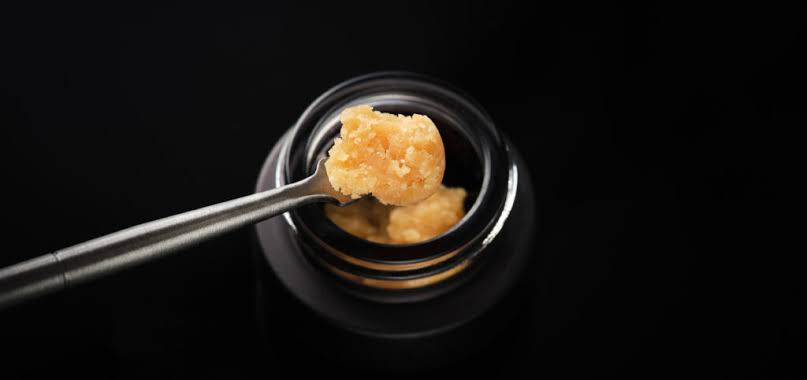
Telling rosin from resin starts with accepting an inconvenient fact: one letter separates two completely different production methods, and labels exploit the similarity constantly. Purchase paths reading shop BudPop live callouts sit across a market where these near-twin words carry the entire quality distinction. Rosin means solventless, plant material pressed between heated plates or washed in ice water, no chemicals touching anything from harvest through finish. Resin means hydrocarbon extraction, butane or propane pulling compounds from the plant, followed by purging stages removing solvent traces afterwards. Both produce legitimate extracts, both appear in quality edibles, and both cost real money to make well, but they are not the same product, and a buyer paying rosin prices deserves to receive rosin. Reading the single letter correctly is the foundational label skill.
Life changes the meaning
Reading the word live correctly matters as much, because it modifies both terms and shifts their meaning identically. Live indicates fresh frozen starting material, plants frozen within hours of harvest instead of dried and cured, preserving terpenes that curing evaporates. Live rosin, therefore, means fresh frozen plants processed solventless, the flavour tier premium shelves are built around. Live resin means fresh frozen plants processed through hydrocarbon extraction, genuinely flavorful, chemically extracted, and typically priced below its solventless twin. Rosin or resin without the live prefix means cured starting material, with quieter flavour profiles from either method. Four combinations exist, and the two words doing all the work are the ones easiest to skim past.
Labels reveal the truth
Checking labels systematically settles any ambiguity the front of the package creates.
- Ingredient panels name the extract precisely: rosin, live rosin, live resin, or distillate, appearing in the actual list.
- Certificates of analysis confirm what testing found: solventless products showing no residual solvent panel needed.
- Residual solvent results appearing on a certificate indicate hydrocarbon extraction, the test itself revealing the method.
- Marketing language stays vague, where panels stay honest, front label flourishes never outranking the ingredient list.
Two minutes of reading the back of a package tells the truth that the front sometimes decorates.
Knowing which you want
Wanting one over the other depends on priorities, and knowing the honest trade helps every buyer choose deliberately. Live rosin delivers maximum flavour preservation and chemical-free processing at the highest price, the choice for flavour-focused buyers and anyone valuing solventless purity. Live resin delivers strong flavour at friendlier prices, properly purged products testing clean and serving most palates well. Standard extracts serve buyers chasing effects over character at the friendliest prices of all. No wrong answers exist across the range, only mismatches between what a buyer paid for and what the jar contains, which is precisely what label reading prevents. A shopper who checks the ingredient panel and certificate never overpays for the wrong letter.
Telling rosin from resin, in the end, takes one careful letter, one prefix, and one flip toward the back label, three seconds of reading that protect every premium dollar spent.