 Raymond Hall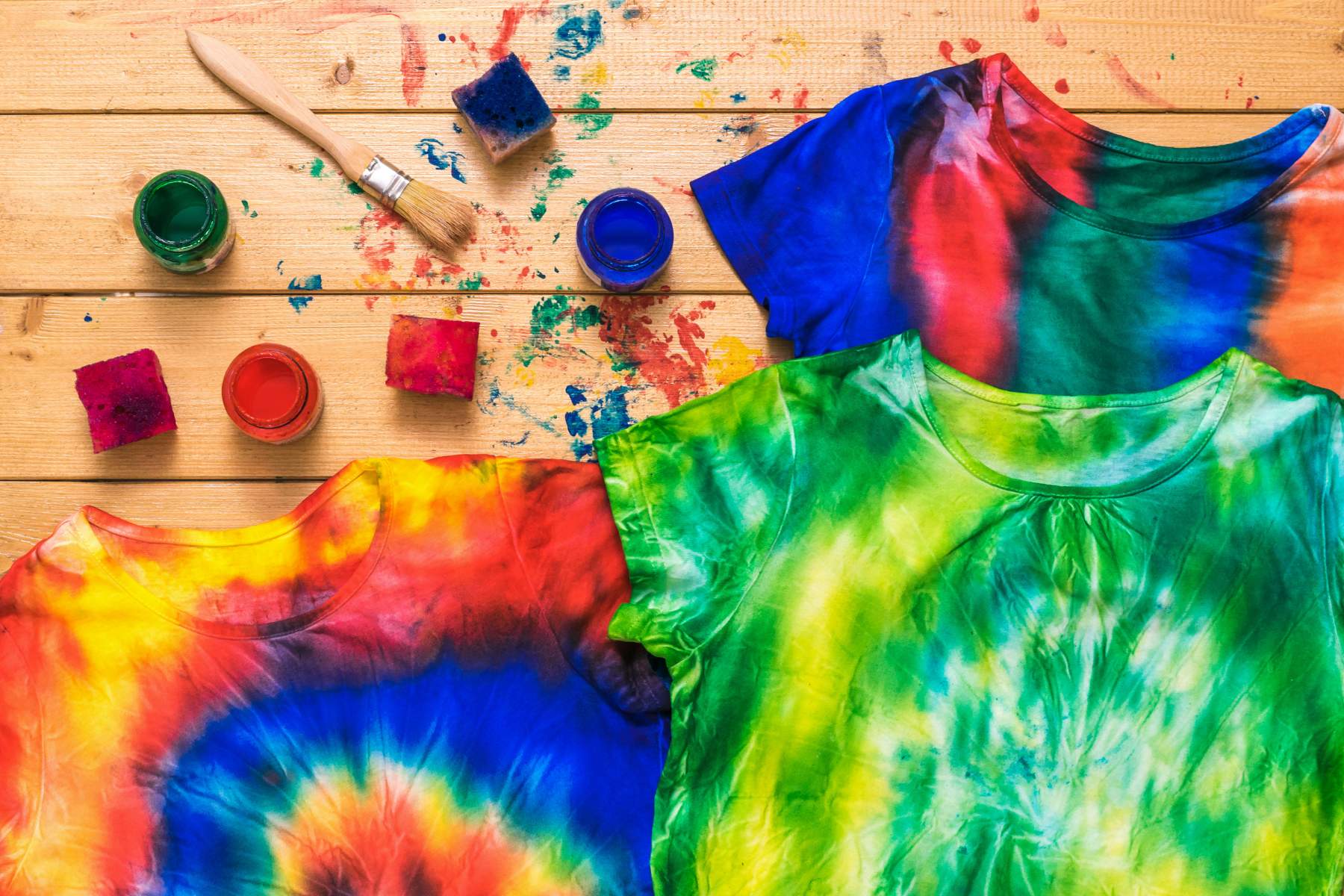
Why are hand-dyed garments getting attention from people who want distinctive everyday clothes? It comes down to comfort, creativity and visible craftsmanship. A tie-dye sweatshirt turns a familiar casual silhouette into something expressive through its color arrangement. Rather than looking uniform, its shifting tones and patterns add interest while keeping the relaxed feel of a sweatshirt.
What distinguishes hand-dyed designs from ordinary casual clothing?
The primary difference is the relationship between process and appearance. Hand-dyed designs are shaped through physical techniques that influence how color reaches the fabric. Folding, gathering, twisting, and controlled application can produce varied effects. Because the process involves material behavior, the finished pattern often has a natural flow that feels more organic than a completely standardized surface.
How does craftsmanship affect perceived quality?
Craftsmanship becomes visible through consistency of construction and thoughtful color placement. A carefully made sweatshirt should have a comfortable structure, dependable seams, and a balanced pattern. The artistic process works best when it complements the garment instead of distracting from its form. This combination creates a polished appearance that can remain casual without looking careless.
What do color transitions contribute to the design?
Color transitions create rhythm across the fabric. Soft blending can make a piece appear calm and fluid, while stronger changes between shades can add energy. The direction of the transitions also influences visual balance. Colors that move naturally across the torso or sleeves can help the sweatshirt look intentionally composed rather than randomly colored.
Why are natural variations considered attractive?
Hand-dyeing naturally introduces variation, and this can become part of the garment’s identity. Slight differences in saturation, shape, or color spread make each piece visually distinctive. Instead of reducing consistency, these variations can demonstrate that the garment has passed through a hands-on creative process. For many consumers, that sense of uniqueness adds emotional value to everyday apparel.
How can a tie dye sweatshirt fit into a professional-looking casual wardrobe?
A sophisticated approach to styling begins with balance. Pairing an expressive sweatshirt with clean trousers, structured outerwear, or simple footwear can create a refined casual appearance. When the sweatshirt contains several visual elements, keeping surrounding pieces uncomplicated allows the artwork to remain the focus. This makes the garment adaptable for relaxed social settings and creative everyday environments.
Does fabric quality influence the artistic effect?
Yes. Fabric decides how dye is absorbed and how colors look on the finished surface. Cotton-rich sweatshirts take fiber-reactive dyes such as Procion MX best, while high-polyester blends stay pale. Good makers name their blanks and explain their process; floorboardfindings.com, for example, publishes guides on the blanks and dyes it uses. Softness, weight and recovery then decide how the sweatshirt wears.
What design details should receive attention?
Look beyond the central pattern. Examine the neckline, cuffs, seams, sleeve balance, and overall silhouette. A well-designed piece maintains visual harmony from one section to another. The relationship between pattern scale and garment shape is also important. Large motifs may create a dramatic appearance, while smaller transitions can produce a quieter artistic effect.
Why does individuality matter in modern casual fashion?
Many wardrobes contain basic garments with similar shapes and neutral surfaces. Hand-dyed clothing introduces another dimension by making the surface itself part of the style statement. The wearer can maintain the practicality of familiar clothing while choosing a design that communicates creativity. This makes individuality possible without requiring an elaborate outfit.
Can these sweatshirts work across different seasons?
Their usefulness depends on fabric weight and styling choices. In cooler conditions, a sweatshirt can function as a practical layer beneath jackets or over lighter clothing. During milder weather, it can become the main upper layer. The design remains relevant because its artistic character does not depend on a particular styling formula.
What makes a hand-dyed design memorable?
Memorable pieces usually combine recognizable color relationships with balanced composition and comfortable construction. A design does not need excessive visual complexity to stand out. Sometimes a controlled blend, carefully placed contrast, or flowing pattern creates stronger impact than an overcrowded surface.
hand-dyed sweatshirt design combines practical comfort with visual individuality. Its color movement, organic variation, and thoughtful construction create a garment that can support everyday dressing while giving the wearer a clear opportunity to express creativity and personal style. It endures.


 Scott Turner